When Hair Thins Across the Entire Scalp
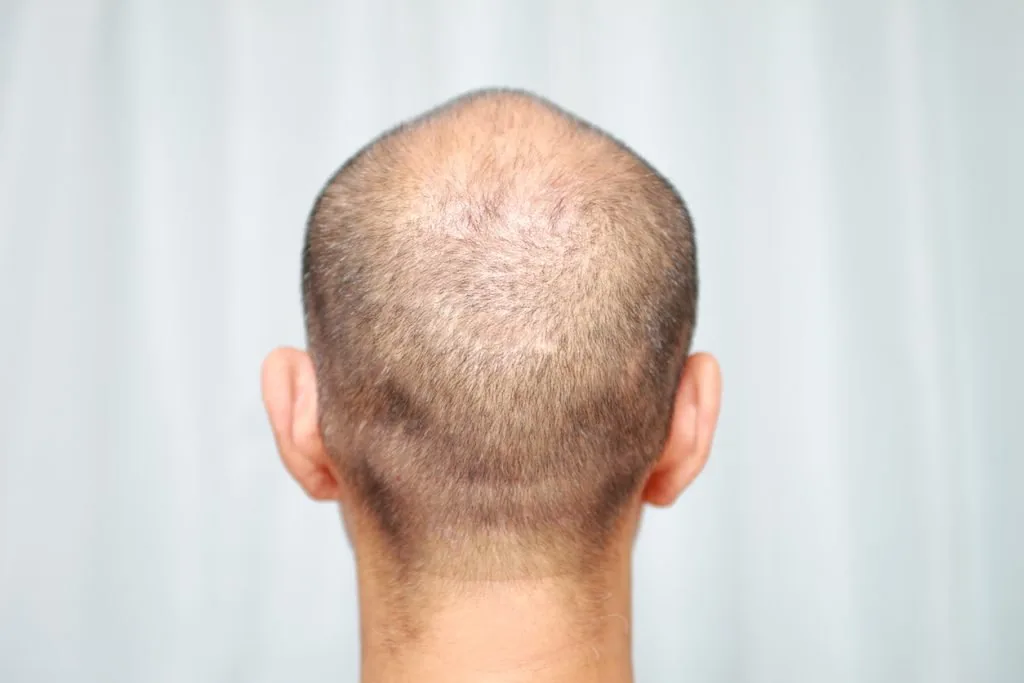
Most people think of male or female pattern hair loss as a condition that affects specific areas of the scalp, such as the hairline, temples, or crown. However, some individuals experience a much less common form of hair loss called Diffuse Unpatterned Alopecia (DUPA). Unlike traditional pattern hair loss, DUPA causes thinning throughout the entire scalp, including the back and sides of the head—areas that are usually resistant to hair loss.
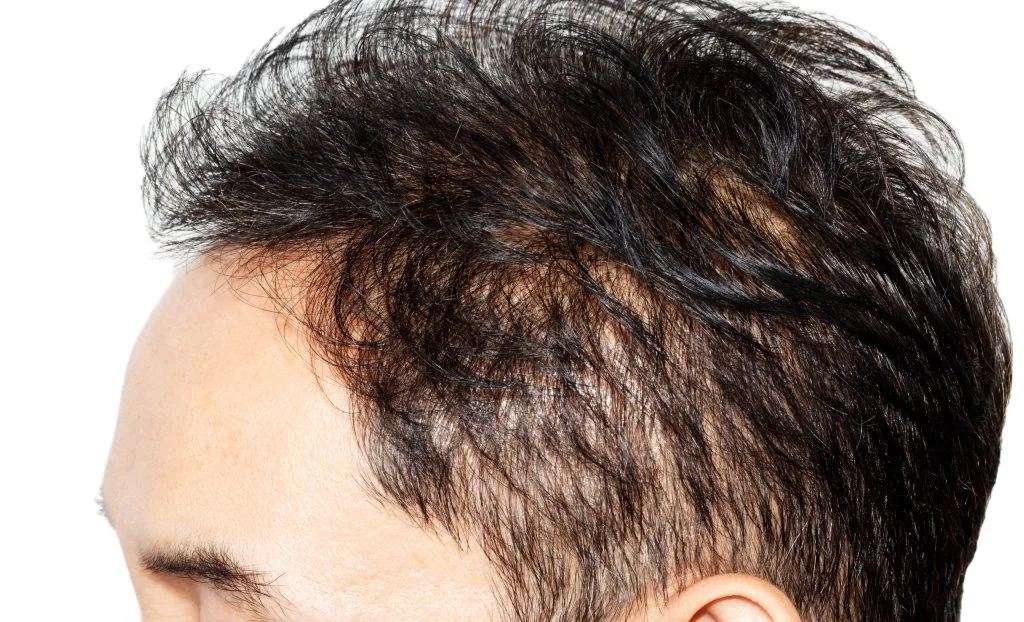
This widespread thinning can be frustrating because it often makes the hair appear generally less dense rather than creating obvious bald spots. Many patients notice that their hair feels thinner everywhere, their scalp becomes more visible under bright lighting, or they are no longer able to style their hair the way they once could. Because the thinning occurs diffusely, DUPA can sometimes be overlooked or mistaken for other causes of hair loss.
What Makes DUPA Different?
In classic androgenetic alopecia (male pattern hair loss), the back and sides of the scalp typically remain relatively stable. These areas are often referred to as the “safe donor zone” because the follicles are usually resistant to the hormonal effects that drive pattern hair loss.
With DUPA, however, this donor zone is also affected. Hair miniaturization occurs across the entire scalp, meaning the follicles in the back and sides are often just as vulnerable as those on the top. This is one of the defining characteristics that separates DUPA from more common forms of hair loss.
Signs and Symptoms of DUPA
Patients with DUPA may experience:
- Diffuse thinning across the entire scalp
- Reduced hair density in the crown, top, sides, and back of the head
- Increased scalp visibility under bright lighting
- Finer, weaker hair strands over time
- Difficulty achieving volume or coverage
- Progressive loss of density without a distinct balding pattern
Because the hair loss is widespread, patients often describe their hair as feeling “thinner everywhere” rather than noticing a specific bald spot.
Why Is DUPA Important for Hair Transplant Patients?
One of the most important reasons to correctly diagnose DUPA is that it significantly affects hair transplant candidacy.
Hair transplant surgery relies on harvesting healthy, permanent follicles from the donor area at the back and sides of the scalp. In patients with DUPA, these donor hairs are often undergoing the same miniaturization process as the hairs on top of the scalp. Transplanting unstable follicles may lead to poor growth, ongoing thinning, and disappointing long-term results.
For this reason, most patients with true DUPA are not considered ideal candidates for hair transplant surgery. A detailed scalp examination, trichoscopy, and donor density assessment are essential before any surgical procedure is considered.
What Causes DUPA?
The exact cause of DUPA is not completely understood, but it is generally considered a variant of androgenetic alopecia. Genetics appear to play a significant role, and the condition often progresses gradually over time.
Because diffuse thinning can also be caused by nutritional deficiencies, thyroid disorders, hormonal imbalances, inflammatory scalp conditions, and chronic shedding disorders, a comprehensive evaluation is important to rule out other contributing factors.
Treatment Options for DUPA
Although DUPA cannot typically be cured, treatment may help slow progression, preserve existing hair, and improve overall density.
Common treatment options include:
- Oral or topical minoxidil to support hair growth and prolong the growth phase of the hair cycle
- Finasteride or dutasteride to reduce the effects of DHT in appropriate patients
- Platelet-Rich Plasma (PRP) to support follicular health and function
- Low-Level Laser Therapy (LLLT) to stimulate cellular activity within the follicle
- Optimization of nutritional, hormonal, and metabolic factors that may contribute to hair miniaturization
The earlier treatment is initiated, the greater the opportunity to preserve existing hair.
Key Takeaways
Diffuse Unpatterned Alopecia (DUPA) is a unique form of hair loss that causes thinning throughout the entire scalp, including the donor areas traditionally used for hair transplantation. Because the donor zone is affected, most patients with DUPA are not good candidates for hair transplant surgery. However, early diagnosis and a comprehensive treatment plan may help slow progression, improve density, and preserve hair for as long as possible.