
Platelet Rich Plasma, or PRP, is a regenerative treatment made from your own blood. It concentrates platelets and the growth factors they release, then delivers them directly into areas of thinning hair.
At YAKER Hair Restoration, we use Precision PRP™. Rather than relying on a standard blood draw for every patient, we measure your platelet count before treatment, customize how much blood is needed, process it using our protocol, and measure the finished PRP concentration before it is injected.
This allows us to know the platelet concentration being delivered rather than assuming every patient’s PRP is the same.
What Are Platelets?
Platelets are small cells in your blood best known for helping stop bleeding, but they also play an important role in healing and tissue repair.
When activated, platelets release growth factors and signaling proteins that communicate with surrounding cells and help regulate:
- Tissue repair
- Formation of new blood vessels
- Inflammation
- Cell growth and activity
- Wound healing
A normal adult platelet count is generally about 150,000 to 450,000 platelets per microliter of blood. Your individual count matters because PRP is created by concentrating the platelets you already have.
What Is Platelet Rich Plasma?
Your blood contains red blood cells, white blood cells, platelets, and plasma.
PRP is made by drawing your blood and placing it into a centrifuge. A centrifuge is a machine that spins the blood very quickly. Because the different parts of blood have different weights, spinning allows them to separate into layers.
This allows us to separate and concentrate the platelet-containing portion of your blood. The concentrated PRP is then injected into the areas being treated.
Because PRP comes from your own blood, it is an autologous treatment, meaning the treatment material comes from you.
How Does PRP Help Hair Follicles?
Platelets contain numerous growth factors and signaling proteins that may influence hair follicle activity.
Important growth factors found in PRP include:
- PDGF, or Platelet-Derived Growth Factor, which participates in cell growth and tissue repair
- VEGF, or Vascular Endothelial Growth Factor, which supports formation of blood vessels
- TGF-β, or Transforming Growth Factor Beta, which participates in tissue repair and remodeling
- IGF-1, or Insulin-Like Growth Factor 1, which plays a role in cellular growth and hair follicle biology
Research suggests that these signals may influence cells around the hair follicle, support blood vessel development, and help promote the transition and maintenance of follicles in the active growth phase.1
PRP does not create new hair follicles. It works with hair follicles that are still alive and capable of responding.
What About Exosomes in PRP?
Platelets also release extracellular vesicles, including exosomes. These are microscopic packages used by cells to communicate with one another.
They can carry proteins, lipids, and genetic material involved in cellular signaling and tissue repair.
Platelet-derived extracellular vesicles are an active area of regenerative medicine research and may contribute to some of PRP’s biological effects. However, their exact contribution to clinical hair growth from PRP is still being studied.
For this reason, we consider them part of the complex biological signaling produced by PRP rather than a separate proven hair growth treatment within PRP.
Why Platelet Concentration Matters
Not all PRP contains the same number of platelets.
Research suggests that platelet concentration can influence how PRP behaves. In laboratory research, approximately 1.5 million platelets per microliter produced the strongest response for stimulating new blood vessel formation. Increasing the concentration substantially beyond this level did not continue to improve the response.1
This does not mean that exactly 1.5 million platelets per microliter has been proven to be the perfect concentration for every patient’s hair loss. However, clinical PRP recommendations for androgenetic alopecia have commonly targeted approximately 1 to 1.5 million platelets per microliter.2
This is one reason we believe measuring platelet concentration is more meaningful than simply performing the same PRP preparation on every patient.
PRP for Genetic Hair Loss
What Does the Research Show?
The strongest evidence for PRP in hair restoration is for androgenetic alopecia, also called male and female pattern hair loss.
Multiple randomized trials and systematic reviews have found that PRP can increase hair density in patients with androgenetic alopecia.1,3,4
A 2025 systematic review and meta-analysis of 43 randomized trials involving 1,877 participants found that PRP improved hair density and reduced hair loss.5
Overall, the evidence supports PRP as a treatment that can improve hair density in appropriately selected patients. However, PRP preparation methods, platelet concentrations, activation, treatment schedules, and injection techniques vary considerably among studies.
Why PRP Results Can Vary
One of the biggest challenges with PRP research is that there is no single universally standardized PRP preparation.
Two patients can both be told they received “PRP” while receiving treatments with very different platelet concentrations and cellular compositions.
Your Starting Platelet Count Matters
Everyone begins with a different number of platelets.
A standard volume of blood drawn from someone with a platelet count of 160,000/µL does not contain the same number of platelets as the same volume drawn from someone with 350,000/µL.
This is one of the principles behind Precision PRP™: measure rather than assume.
Platelet Concentration Matters
PRP is not simply about having more platelets.
The aim is to create an appropriate platelet concentration and deliver it consistently.
Research has not established one perfect concentration for every patient, but platelet dose is considered an important part of PRP quality and biological activity.1,6
How the Blood Is Processed Matters
Single-spin and double-spin preparation methods are both used clinically.
With a double-spin process, the blood goes through two separate centrifugation steps. The first spin separates the major components of the blood. The second spin further concentrates the platelets into a smaller volume of plasma.
This gives us greater control over the final PRP preparation and is the method we use for Precision PRP™.
How PRP Is Injected Matters
The amount of PRP, injection depth, and distribution across the thinning scalp all influence how the treatment is delivered.
Your Health Matters
Your response can also be influenced by:
- Age
- Smoking or tobacco use
- Overall health
- Your platelet count and how well your platelets work
- Anemia
- Diabetes and other medical conditions
- Certain medications that may affect platelet function, inflammation, or healing, including aspirin, anti-inflammatory medications (NSAIDs), and oral or injected steroids
- The cause and severity of your hair loss
Other Ways PRP Treatment Can Vary
PRP protocols can also vary in how many treatments are performed and how far apart the treatments are scheduled. The treatment plan may also depend on the type of hair loss and how much the hair follicles have miniaturized.
These differences help explain why results vary among clinical studies and among PRP systems.3,6
The YAKER Precision PRP™ Advantage
Why We Developed Precision PRP™
Not all PRP is the same.
Platelet levels vary from person to person and can even vary within the same person over time. Yet many PRP systems use the same blood volume and processing method without confirming the patient’s starting platelet count or measuring the final PRP concentration.
Precision PRP™ was designed to reduce that guesswork.
We Measure Before Treatment
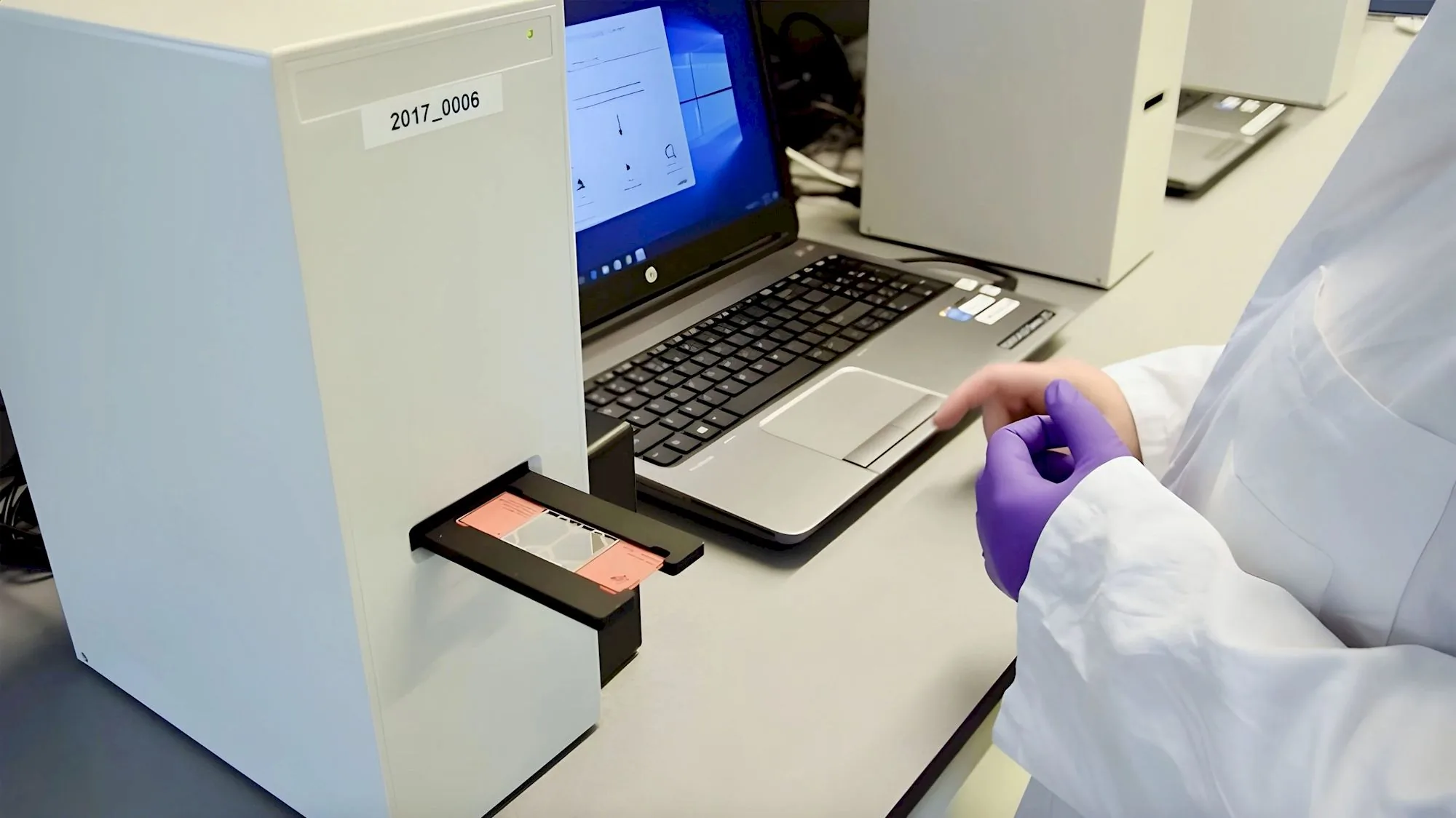
Before each treatment, we measure your current platelet count using our cell analysis system.
Knowing your starting platelet count helps us determine how much blood is needed for your treatment rather than assuming the same volume is appropriate for everyone.
We Use a Double-Spin Process
We process your blood using the double-spin centrifugation technique described above. This step separates and prepares the platelet-rich portion of your blood for the next stage of the PRP preparation process.
We Then Measure the PRP Concentration
After the PRP has been prepared, we measure the final platelet concentration and compare it with your starting platelet count. This tells us how much the platelets were actually concentrated during the PRP process.
The goal is not to produce the highest platelet count possible. It is to prepare a consistent and appropriately concentrated PRP based on your own blood.
Seeing the Difference Under the Microscope
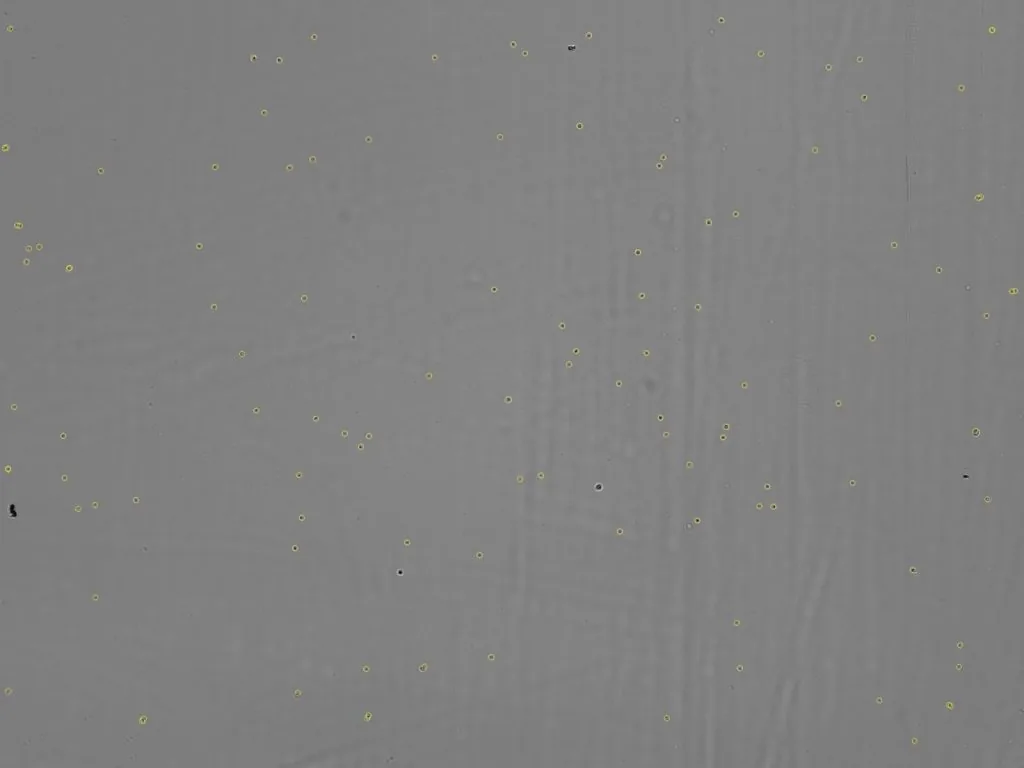
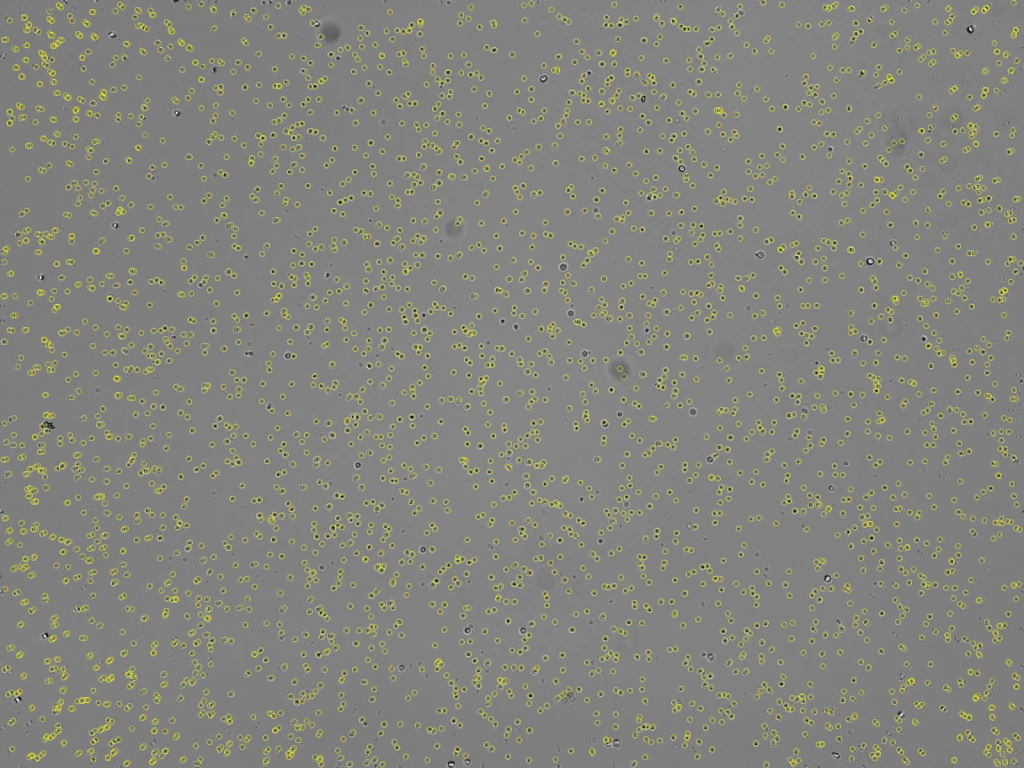
Under a digital microscope, the higher platelet count in the Precision PRP™ sample (right) appears as a denser concentration of yellow dots than in a traditional PRP sample (left).
What to Expect During Precision PRP™
Each Precision PRP™ treatment takes approximately 45 minutes and is performed in our office.
Step 1: Blood Draw, Platelet Check, and Processing
We draw the amount of blood needed for your treatment. Before placing it in the centrifuge, we take a small sample and place it on a slide to measure your starting platelet concentration with our platelet counter. This gives us real-time information about your starting platelet level.
The centrifuge spins the blood rapidly to separate its different components. Our double-spin process then further concentrates the platelet-containing portion to create your PRP.
Once the PRP is prepared, we measure the final PRP concentration to confirm the concentration achieved before treatment.
Step 2: Numbing the Scalp
The scalp is cleansed, and local anesthetic is used to make the treatment more comfortable.
Nitrous oxide, or laughing gas, is also available for patients who would like additional relaxation during treatment.
Step 3: PRP Injections and Microneedling
We carefully inject concentrated PRP just beneath the surface of the scalp throughout the treated areas using small needles.
We then perform controlled scalp microneedling as part of our Precision PRP™ protocol.
Microneedling creates tiny controlled injuries in the scalp that stimulate the body’s natural wound-healing response and release growth signals involved in tissue repair.
Precision PRP™ Treatment Schedule
The initial treatment series is three treatments every 4 to 6 weeks.
Hair follicles respond slowly, so improvement develops gradually rather than immediately.
Some patients notice reduced shedding or early changes before visible fullness improves. More meaningful visual improvement generally develops over the following several months, with continued changes possible for up to approximately one year.
Maintenance treatment is individualized. Many patients receive maintenance PRP approximately every 3 to 12 months depending on their diagnosis, response, degree of hair loss, and other treatments being used.
What to Expect After Precision PRP™
There is usually little to no downtime after treatment, and most patients can return to their normal routine right after.
Temporary effects may include:
- Scalp tenderness
- Redness at the injection sites
- Mild swelling (rare)
These effects generally improve within the first day or two.
Most patients can get back to their normal exercise routine after about 24 hours.
How Long Do PRP Results Last?
PRP results do not last the same amount of time for everyone. How long you maintain improvement can depend on your type and degree of hair loss, how much the hair follicles have miniaturized, overall health, the quality of the PRP preparation, and whether the underlying cause of your hair loss is being treated.
If PRP is being used on its own for genetic pattern hair loss, the improvement should not be considered permanent. Results are commonly seen around 3–6 months and may persist for several months.
Will I Need PRP Booster Treatments?
Possibly. After the initial series, booster treatments may help maintain the improvement, particularly when treating an ongoing condition such as genetic hair loss.
Maintenance treatments are commonly performed every 3–6 months.
This does not mean everyone needs PRP every 3–6 months indefinitely. The timing of a booster should be individualized based on how your hair responds.
How Does PRP Compare with Minoxidil and DHT Lowering Treatments?
PRP, minoxidil, finasteride, and dutasteride work differently.
PRP uses concentrated platelets and the growth factors they release to stimulate existing hair follicles.
Minoxidil stimulates hair growth through different biological pathways.
Finasteride and dutasteride are different because they lower dihydrotestosterone, or DHT. DHT is one of the primary biological drivers of androgenetic alopecia in genetically susceptible hair follicles.
PRP does not lower DHT. Instead, it stimulates follicles through growth factors and other cellular signals but does not remove the hormonal signal causing susceptible follicles to progressively miniaturize.
For this reason, PRP is best used as an additional option that can support and enhance other treatments, rather than replace the medications that address the underlying causes of genetic hair loss.
Is PRP a Cure for Genetic Hair Loss?
Androgenetic alopecia is a chronic, progressive condition. PRP can stimulate existing follicles, but it does not change the genes responsible for pattern hair loss or permanently eliminate the effects of DHT.
PRP also cannot create new hair follicles in areas that have become completely bald.
PRP and Hair Transplant Surgery
PRP has also been studied as an additional treatment during and after hair transplant surgery.
One study found earlier growth and greater early density in patients receiving PRP compared with patients who underwent hair transplantation without PRP.7
More recently, a study reported higher follicle survival at three and six months in patients receiving PRP with hair transplantation compared with patients receiving hair transplantation alone.8
A 2025 systematic review found that the studies generally favor PRP as an adjunct to hair transplantation for outcomes including density, graft survival, and earlier growth.9
Can PRP Help Other Types of Hair Loss?
Telogen Effluvium
Telogen effluvium is increased shedding that may follow illness, surgery, childbirth, nutritional deficiencies, hormonal changes, medications, or rapid weight loss.
Small clinical studies suggest PRP may help reduce shedding and support hair regrowth in some patients.
The most important treatment for telogen effluvium remains finding and correcting the underlying trigger(s) whenever possible.
Alopecia Areata
Alopecia areata is an autoimmune disorder in which the immune system attacks hair follicles.
PRP has also been studied for alopecia areata, and some studies have shown improvement. However, the research is still limited, and PRP is not considered a first-line treatment.
For some patients, PRP may be used along with standard medical therapy, rather than as a replacement for treating the underlying autoimmune condition.
Traction Alopecia
Traction alopecia develops from repeated pulling on the hair from tight braids, ponytails, extensions, or other hairstyles.
PRP may help stimulate follicles in the early stages of traction alopecia, when follicles are still present.
However, the most important step is stopping the pulling or tension on the hair. If the pulling has continued long enough to permanently damage the hair follicles, PRP cannot bring those follicles back.
Scarring Alopecia
Scarring alopecias such as Frontal Fibrosing Alopecia, Lichen Planopilaris, and Central Centrifugal Cicatricial Alopecia involve inflammation that can permanently destroy hair follicles.
Small studies suggest PRP may help improve symptoms and support the remaining hair follicles in some patients, but it is not considered a primary treatment for these conditions.
The first priority is identifying and controlling the underlying inflammatory disease with your dermatologist. Once scar tissue replaces hair follicles, PRP cannot restore them.
Who Should Not Receive PRP?
PRP may not be appropriate for patients with certain conditions that affect platelet function, blood clotting, or medical stability.
These include:
- Severe or critical thrombocytopenia — an abnormally low platelet count that may increase the risk of bleeding and may not provide enough platelets to prepare an appropriate PRP treatment
- Significant platelet dysfunction disorders — conditions in which a person may have enough platelets, but the platelets do not function normally
- Active infection involving the treatment area
Who May Not Be an Ideal Candidate?
Other factors require individual evaluation and do not necessarily prevent treatment.
These may include:
- Platelet count below approximately 150,000/µL
- Significant anemia, including hemoglobin below approximately 10 g/dL
- Recent illness or fever
- Active cancer, particularly hematologic or bone marrow-related cancers
- Smoking or tobacco use
- Anticoagulant or antiplatelet medications
- Recent NSAID use such as ibuprofen or naproxen
- Recent systemic or injected corticosteroid use
Because these factors can affect platelet function, healing, bleeding risk, or PRP quality, they should be reviewed before treatment.
Not Sure If You’re a Candidate? Let’s Talk.
Whether you’re just starting to notice thinning or have been battling hair loss for years, Precision PRP™ offers a powerful, consistent solution tailored to your biology.
If you have any concerns or health conditions, we’re here to help. Dr. Yaker will review your health history and determine if Precision PRP™ is the right option for you.
Click here to view patient success stories from Precision PRP™ Therapy
Ready to take the next step? Schedule your consultation with Dr. Yaker to learn more and get a personalized treatment plan.