
Many people think their hair has stopped growing when, in reality, it is breaking faster than it can grow. Hair breakage occurs when the hair shaft becomes weakened and snaps somewhere along its length. Unlike hair shedding, which happens when a hair naturally falls out from the root, breakage leaves behind shorter, uneven strands that can make hair appear thinner, frizzier, and less healthy.
Think of a rope that has been repeatedly bent, stretched, and worn down over time. Eventually, the fibers begin to fray and snap. Hair behaves in a very similar way. Daily styling, heat, chemicals, environmental stressors, and even underlying health issues can gradually weaken the hair shaft until it loses its ability to withstand normal wear and tear.
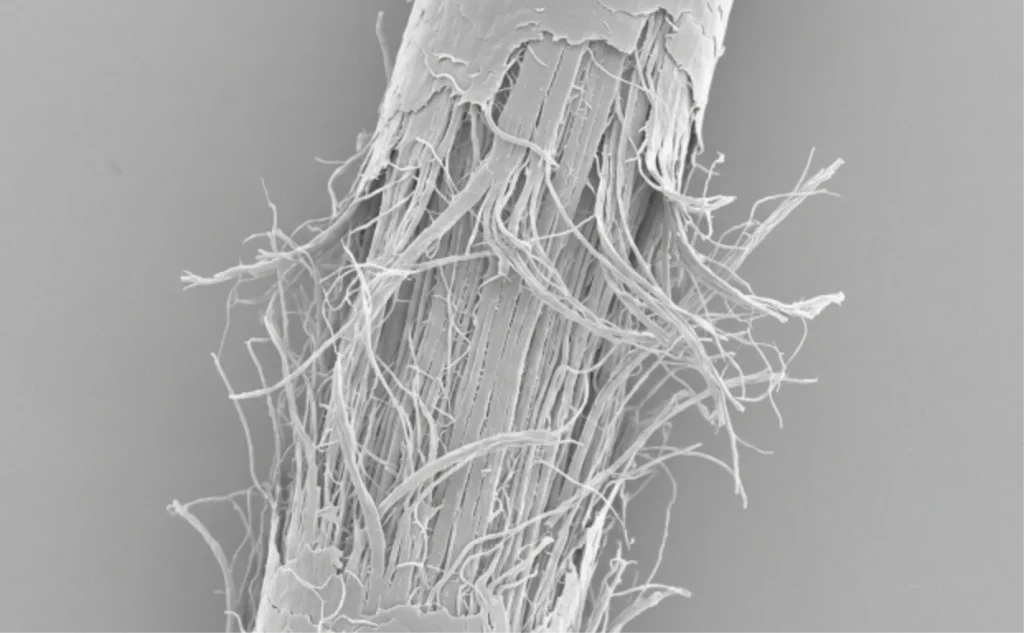
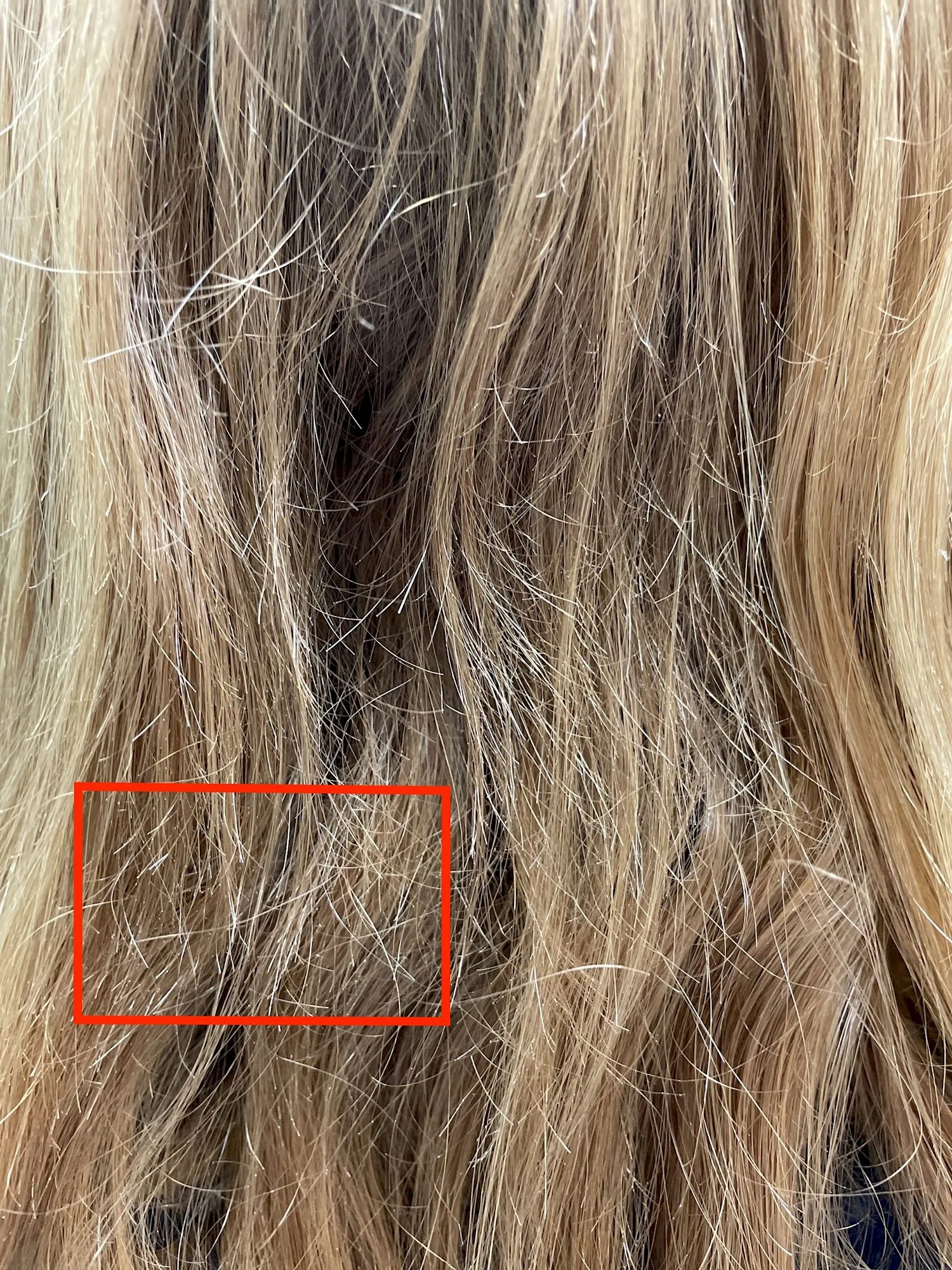
What Does Hair Breakage Look Like?
Hair breakage often causes:
- Short hairs of varying lengths throughout the scalp
- Increased frizz and flyaways
- Hair that feels rough or dry
- Difficulty growing hair longer
- Thin or wispy ends
- Hair that tangles easily
- More broken strands on brushes, clothing, or sinks
Because the hair is breaking before it reaches its full length, many people mistakenly assume their hair growth has slowed or stopped altogether.
Common Causes of Hair Breakage
Hair breakage is rarely caused by a single factor. More often, it develops when multiple stressors weaken the hair shaft over time.
Tight Hairstyles and Repeated Tension
Frequent ponytails, buns, braids, extensions, and other tightly pulled hairstyles place continuous stress on the hair shaft. Over time, this tension can weaken the outer protective layer of the hair, making strands more susceptible to snapping.
Excessive Heat Styling
Blow dryers, flat irons, curling irons, and hot styling tools can remove moisture from the hair shaft and damage the protein structure that gives hair its strength. Repeated exposure to high temperatures often leads to dryness, brittleness, and increased breakage.
Chemical Processing
Hair coloring, bleaching, highlighting, perms, relaxers, and chemical straightening treatments can weaken the structural bonds within the hair fiber. While these treatments can create beautiful cosmetic results, repeated processing may leave hair more fragile and prone to breakage.
Aggressive Brushing and Combing
Hair is especially vulnerable when wet. Excessive brushing, rough towel drying, or forcefully detangling knots can stretch and fracture weakened strands. Over time, this repeated mechanical stress contributes to significant hair shaft damage.
Dryness and Environmental Exposure
Healthy hair contains moisture and flexibility. When hair becomes excessively dry, it loses elasticity and becomes less capable of bending without breaking. Sun exposure, low humidity, chlorine, saltwater, hard water, and harsh hair care products can all contribute to chronic dryness and increased fragility.
Nutritional Deficiencies and Medical Conditions
Hair strength starts from within. Deficiencies in nutrients such as protein, iron, zinc, vitamin D, vitamin B12, and folate may contribute to weaker hair fibers that are more susceptible to damage. Certain medical conditions, including thyroid disorders and hormonal imbalances, can also affect hair quality and resilience.
Why Hair Breakage Happens
To understand breakage, it helps to understand how hair is built. Each strand is made primarily of a protein called keratin and is protected by an outer layer known as the cuticle. The cuticle functions like shingles on a roof, protecting the inner structure of the hair.
When heat, chemicals, friction, or environmental stress damage the cuticle, the underlying hair fiber becomes exposed and vulnerable. As damage accumulates, the strand loses strength, elasticity, and moisture. Eventually, normal activities such as brushing, styling, or simply moving the hair can cause it to snap.
Can Hair Breakage Be Repaired?
Once a hair shaft is damaged, it cannot truly heal itself because hair is not living tissue. However, further damage can often be minimized through proper hair care and protective strategies. Trimming damaged ends, reducing heat and chemical exposure, improving scalp and hair care routines, and addressing underlying nutritional or medical issues can help preserve existing hair and improve the quality of new hair growth.
For many patients, restoring hair health requires looking beyond the hair shaft alone. A comprehensive evaluation can help determine whether breakage is being driven by external damage, nutritional deficiencies, hormonal imbalances, scalp disorders, or a combination of factors. Identifying the root cause is often the first step toward stronger, healthier, and more resilient hair.