
Scalp Ecosystem & pH: The Science Behind Healthy Hair

Healthy hair starts with a healthy scalp. While most people focus on shampoos, vitamins, or hair growth treatments, they often overlook the environment where every hair follicle lives. Think of your scalp as a carefully balanced ecosystem, much like a healthy garden. When that environment is balanced, hair follicles have the best opportunity to grow healthy, strong hair. When it’s disrupted, irritation, inflammation, dandruff, excess oil, and even worsening hair loss can follow.

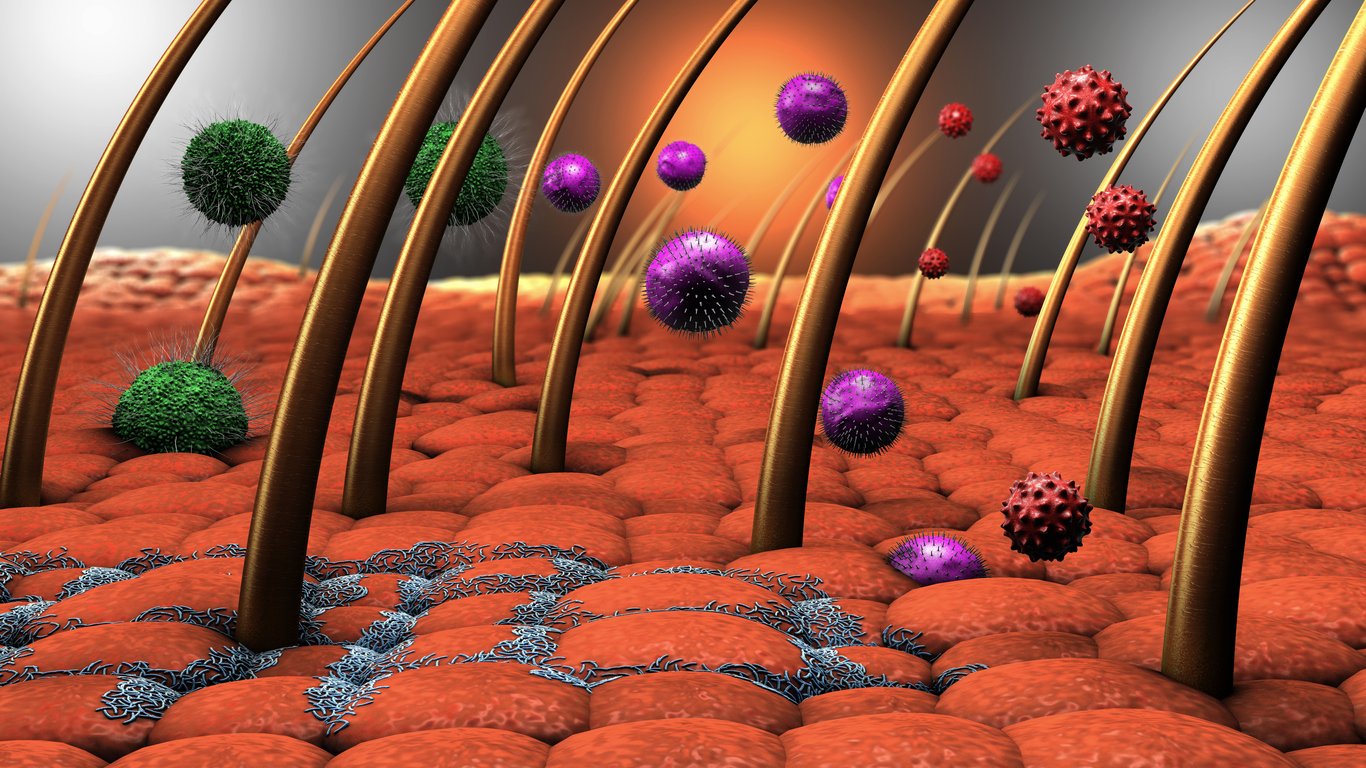
One of the most important parts of this ecosystem is the scalp microbiome. Your scalp is home to billions of naturally occurring bacteria, fungi, and other microorganisms. While that may sound concerning, most of these microbes are actually beneficial. They help protect your scalp from harmful organisms, support your skin’s natural defenses, and play an important role in maintaining a healthy scalp environment. Problems arise when this balance is disrupted, allowing certain microbes to overgrow and trigger inflammation or scalp conditions.

Equally important is your scalp’s acid mantle—a thin, slightly acidic protective layer that covers the skin. This natural barrier helps lock in moisture, defend against bacteria and fungi, and maintain the ideal environment for healthy hair follicles. The acid mantle works best when your scalp maintains a slightly acidic pH of approximately 4.5 to 5.5. Unfortunately, many hair products, harsh cleansers, frequent chemical treatments, and environmental factors can disrupt this balance, weakening your scalp’s natural defenses.

Understanding your scalp ecosystem is an important step toward healthier hair. Throughout this section, you’ll learn how the scalp microbiome, acid mantle, and specific scalp and hair pH levels work together to support hair growth, why they become disrupted, and simple ways to restore balance. Whether you’re struggling with hair thinning, dandruff, seborrheic dermatitis, scalp irritation, or simply want to optimize scalp health, creating the right environment is often one of the most overlooked and most important parts of achieving healthier hair.

Frequently Asked Questions

Hair loss can feel overwhelming. Whether you’re just starting to notice thinning or you’ve been dealing with it for years, it’s normal to have questions.

Here are the most common questions we hear—answered in a way that’s simple, honest, and easy to understand.

Hair loss can be caused by genetics, hormones, stress, illness, medications, poor nutrition, or autoimmune issues. In both men and women, the most common cause is androgenetic alopecia—also known as male or female pattern hair loss.

It depends on the cause. Genetic hair loss is progressive and doesn’t stop without treatment. Some temporary forms, like telogen effluvium (stress-related shedding), can improve once the underlying trigger is addressed.

The most effective, research-backed treatments for androgenetic hair loss are:
  • Minoxidil (topical or oral)
  • Finasteride or Dutasteride (topical or oral)
  • Low Level Laser Therapy (LLLT)
  • Platelet Rich Plasma (PRP) Therapy
  • Hair transplant surgery

These are often combined for stronger results.

Most treatments take 3 to 6 months just to show stabilization. Visible thickening often takes 9 to 12 months, with full results sometimes taking up to 24 months. Consistency is key.

Possibly. Many treatments trigger an early “shedding phase” as weaker hairs fall out to make room for stronger ones. This is normal—and temporary.

For most people, yes. Hair loss is chronic and requires ongoing treatment to maintain results. Stopping treatment typically leads to renewed shedding and a return to your baseline.

Like all medications, side effects are possible but often rare or mild. Dr. Yaker takes a conservative approach and personalizes your treatment plan to reduce risk and maximize safety.

During your consultation, Dr. Yaker will evaluate your scalp condition, hair loss pattern, lab work, medical history, and lifestyle. No two patients are alike—your plan is built specifically for you.

It’s an AI-generated, high-resolution imaging system that maps your scalp and hair follicles in detail. It helps us measure density, design your treatment or transplant plan with precision, and track your progress.

Yes—nutritional deficiencies (iron, B12, vitamin D, etc.) can worsen hair loss. While supplements alone don’t reverse genetic pattern baldness, they support healthy hair when used as part of a broader treatment strategy.

Surgery is best when:
  • You have stabilized your hair loss by using medical treatments
  • You have a strong donor area
  • You are medically cleared for surgery

Downtime is usually 7–14 days. Scabs fall off in 7–10 days. You’ll then shed the transplanted hairs first, then see new growth start around month 4, with full results at 12–18 months.

Yes—female hair restoration surgery is growing rapidly. The key is determining whether you’re a good candidate based on your pattern of loss, donor area, and hair density.

We recommend a follow-up visit once a year to reassess your progress, update your medical history and blood work results, and adjust your treatment plan based on any changes.

Hair loss treatments and hair transplants are considered cosmetic procedures, not medically necessary. Insurance companies do not cover services related to aesthetic appearance, even when it affects your confidence or mental well-being.

While the impact of hair loss is very real, especially emotionally, insurance companies view it the same way they view wrinkle treatments or cosmetic dentistry—optional, not essential.

That said, we offer transparent pricing and flexible options to make treatment as accessible as possible.