
Why Eyelashes Matter
Eyelashes do more than frame the eyes. They help protect the eye from dust, debris, and other particles and act as sensitive hairs that help trigger a protective blink response when something gets too close. They also play an important role in the appearance and definition of the eyes.1
Losing eyelashes can therefore affect both eye protection and how someone feels about their appearance.2
A Brief History of Eyelash Enhancement
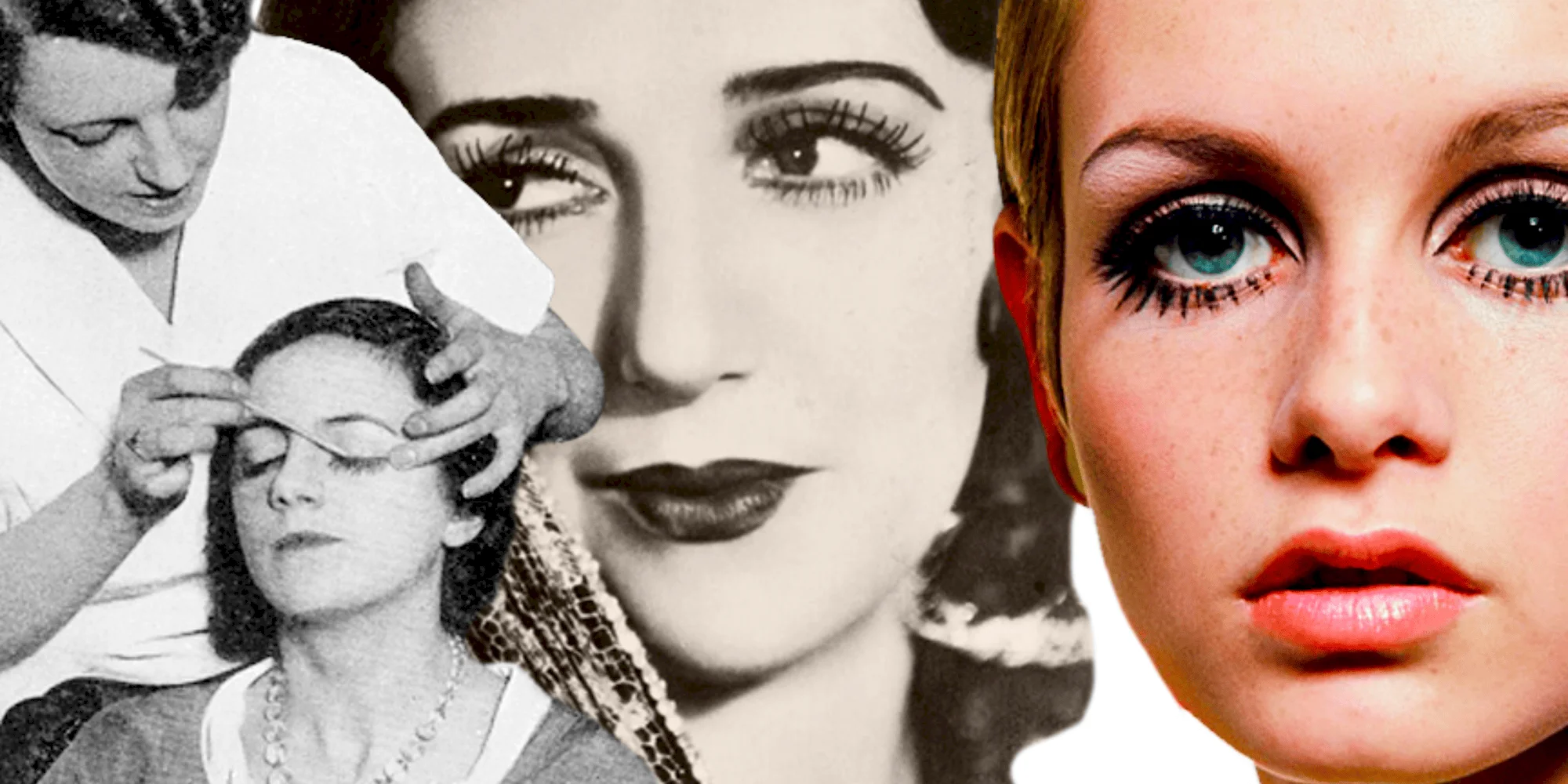
People have been enhancing their eyelashes for centuries. Early cosmetics were used to darken the eye area, while mascara and false eyelashes became increasingly popular during the 20th century.
Today, patients can choose from mascara, eyelash extensions, lifts, tints, prescription growth treatments, and, for selected patients with permanent eyelash loss, eyelash transplant surgery.
Understanding Eyelash Hair
Eyelashes are very different from scalp hair.
The upper eyelid normally contains about 90–160 eyelashes arranged across approximately five to six rows. The lower eyelid usually contains about 75–80 lashes across three to four rows.1
Eyelashes grow approximately 0.12–0.14 mm per day and rarely grow longer than about 12 mm. Their active growth phase lasts only about 4–10 weeks, and the entire eyelash growth cycle typically lasts about 4–11 months.1
This short growth phase is one reason natural eyelashes remain relatively short.
Do Eyelashes Change With Age?
Yes. Eyelashes can gradually become shorter, thinner, or lighter with age, although the degree of change varies considerably from person to person.1
Why Eyelashes Thin or Fall Out
Eyelash loss, sometimes called milphosis, can have many different causes. Determining why the eyelashes are thinning is important before deciding whether medication, treatment of an underlying condition, or surgery is appropriate.2
- Genetics or naturally sparse eyelashes
- Normal aging
- Burns, trauma, previous surgery, or radiation
- Active thyroid disease or other untreated medical conditions
- Autoimmune hair loss, including alopecia areata and certain scarring alopecias
- Blepharitis, eczema, contact dermatitis, or other inflammation around the eyelid
- Certain infections
- Significant nutritional deficiencies or systemic illness
- Certain medications that can cause hair shedding
- Cancer treatment, especially chemotherapy
- Repeated eyelash extensions, aggressive curlers, or other cosmetic trauma
- Trichotillomania or repeated eyelash pulling
Many of these causes are potentially treatable, which is why understanding the cause should come before deciding on surgery.
Latisse® for Thin or Sparse Eyelashes
Bimatoprost 0.03% (Latisse®) is FDA-approved for eyelash hypotrichosis, meaning thin or sparse eyelashes. It is applied once daily along the upper eyelash line and can increase eyelash length, thickness, and darkness.
Continued use is generally needed to maintain the benefit because the eyelashes gradually return toward their previous appearance after treatment is stopped.3
For patients who still have functioning eyelash follicles, Latisse® may be a good treatment to consider before surgery.
Possible side effects can include eye or eyelid irritation, redness, darkening of the eyelid skin, unwanted hair growth where the medication repeatedly touches the skin, and other eye-related effects. Patients with existing eye conditions or who use glaucoma medications should discuss treatment with the appropriate medical provider.
Eyelash Extensions
Eyelash extensions can provide temporary length and fullness by attaching artificial lashes to the natural eyelashes. Many people tolerate them well, but repeated use or improper application can sometimes affect the natural lashes or eyelid.
Potential problems include irritation, allergic reactions to adhesives, blepharitis, conjunctival irritation, and traction on the natural eyelashes. Repeated pulling over time can weaken the lashes and, in some cases, contribute to permanent follicle damage.4
If your natural eyelashes are becoming progressively thinner while wearing extensions, it is important to remove the source of tension and determine whether the follicles are still capable of growing hair.
Will Eyelashes Grow Back After Extensions?
If the follicles are still healthy, eyelashes may regrow after extensions or other sources of traction are stopped.
However, repeated tension or inflammation over a long period can eventually damage or scar a follicle. Once a follicle is permanently destroyed, it may no longer be able to produce an eyelash.
This distinction is important because medication may help when follicles are still present, while transplantation is generally more useful when eyelashes are permanently absent.
What Is Eyelash Transplant Surgery?
Eyelash transplant surgery moves your own hair follicles from a donor area, usually the scalp, into areas of the upper eyelash line where lashes are permanently sparse or missing.
The goal is not simply to place hairs along the eyelid. Each follicle must be carefully selected and positioned so the new hair grows at an appropriate angle, direction, and curve for the eyelash line.5
Because the transplanted follicles usually come from the scalp, they retain many characteristics of scalp hair and will require ongoing trimming and grooming.
Diagnosing Eyelash Loss Before Surgery
Before considering surgery, we first determine why the eyelashes are missing.
- Medical and medication history
- History of eyelash extensions or other cosmetic treatments
- Examination of the eyelid and remaining eyelashes
- Evaluation of the scalp donor hair
- Blood work when appropriate to look for thyroid, nutritional, or other medical contributors
The goal is to determine whether the follicles are permanently lost or whether the existing eyelashes may still improve with treatment.
Who Is a Good Candidate for Eyelash Transplant Surgery?
Eyelash transplantation is generally most appropriate for patients with permanently absent or significantly reduced upper eyelashes and a stable cause of hair loss.
- Naturally absent or very sparse upper eyelashes
- Permanent eyelash loss following burns or trauma
- Stable scars from previous surgery or injury
- Permanent damage from repeated eyelash extensions or cosmetic trauma
- Stable eyelash loss after an underlying medical condition has been appropriately evaluated and controlled
- Suitable donor hair, ideally fine and relatively straight or gently curved
- Realistic expectations about the amount of density that can be created
Patients who still have a reasonable number of functioning eyelashes may benefit from medical treatment before considering surgery.
Conditions That May Need to Be Addressed Before Surgery
Certain conditions can affect healing, future eyelash loss, or how well transplanted hairs grow. Surgery may need to be postponed or may not be appropriate when there is:
- Active alopecia areata
- Active scarring alopecia
- Active blepharitis, dermatitis, infection, or significant inflammation around the eyelid
- Significant untreated dry eye or another active eye condition
- Uncontrolled thyroid disease or another untreated medical cause of eyelash loss
- Significant nutritional deficiencies that may be contributing to hair loss
- Current or recent chemotherapy when natural eyelash regrowth may still occur
- Active trichotillomania or continued eyelash pulling
- Poorly healed or unstable scars
- A history of abnormal or keloid scarring that requires additional consideration
- Poorly controlled medical conditions that may interfere with healing
- Expectations that cannot realistically be achieved with the procedure
Patients with an active eye disorder may also need evaluation and clearance from an eye-care specialist before surgery.
Choosing the Right Donor Hair
Donor hair selection is especially important in eyelash transplantation.
- Hair thickness
- Natural curve or curl
- Hair color
- Growth direction
- Availability of single-hair follicular units
Fine, straight, or slightly curved scalp hairs are usually easier to blend into the eyelash line. Hair that is very coarse or tightly curled can be more difficult to control and may grow in a direction that brings the hair closer to the eye.
Carefully selecting the donor hair and positioning its natural curve correctly helps the transplanted lashes grow in a safer and more natural direction.5
How Many Eyelashes Are Transplanted?
A natural upper eyelid contains approximately 90–160 eyelashes, but a transplant is not designed to replace every individual natural lash.
Eyelash transplantation generally provides 35–60 transplanted follicles per upper eyelid, although the appropriate number varies with the amount of existing eyelash hair, eyelid size, donor hair characteristics, and the patient’s goals.5
The goal is to create a visible improvement in fullness and definition while keeping the eyelid looking natural.
Why Eyelash Grafts Cannot Be Densely Packed
The eyelid margin is small and delicate, so grafts need to be carefully spaced.
Trying to place too many follicles too close together can make it more difficult for the grafts to heal properly and can increase the risk of poor growth or hairs growing in an undesirable direction.
Natural eyelashes also have space between them. Careful spacing helps create a softer and more realistic appearance rather than a crowded or artificial-looking lash line.
Upper vs. Lower Eyelash Transplantation
At YAKER Hair Restoration, we perform eyelash transplantation on the upper eyelids only.
Lower-eyelid transplantation can be more challenging because the lower lid is smaller and the lashes sit very close to the surface of the eye. The hairs must be placed at an extremely precise angle and direction so they do not turn inward and irritate the eye. Because there is less room for error and improperly directed hairs may cause ongoing irritation, lower-eyelid transplantation is not part of our surgical approach.
Eyelash Transplant Surgery: What to Expect
Eyelash donor follicles can be obtained using different hair-harvesting techniques. Our eyelash transplantation procedure uses a small FUT strip to obtain the fine single-hair grafts needed for the upper eyelash line.
Donor Area Preparation
A small area of the scalp is cleaned and trimmed. Local anesthesia is used to numb the donor area and upper eyelids, similar to the numbing medication used during dental procedures. Oral medication and nitrous oxide may also be offered to help you relax.
Once the areas are numb, patients can usually watch television, listen to music, rest, or sleep during portions of the procedure.
Donor Hair Removal
A small strip of hair-bearing scalp is removed from the donor area. The opening is then carefully closed with stitches, which are hidden by the surrounding hair.
The stitches are typically removed about 10–14 days later.
FUT leaves a permanent linear scar in the donor area, but with proper healing it is generally thin and concealed by the surrounding hair.
Preparing the Eyelash Grafts
The donor strip is carefully divided under magnification into individual single-hair follicular units.
Each graft is inspected and prepared before transplantation. The grafts are kept properly hydrated and protected while they are outside the body.
Creating and Placing the New Eyelashes
Tiny recipient pathways are created along the upper eyelid margin using a fine curved needle.
This is one of the most important parts of the procedure because it determines:
- Angle
- Direction
- Spacing
- Position
- Orientation of the natural hair curve
Each single-hair graft is then carefully placed so the new lashes follow the natural shape of the upper eyelid and grow away from the eye.
How Long Does Eyelash Transplant Surgery Take?
The procedure typically takes approximately 2–4 hours, depending on the number of hairs being transplanted and the complexity of the case.
Eyelash Transplant Recovery & Growth Timeline
Healing and growth vary from person to person, but the following provides a general idea of what most patients can expect.
First 2–3 Days
Mild swelling, redness, tenderness, or bruising can occur around the eyelids. The grafts should be protected from rubbing or pressure. Protective eyewear may be recommended while sleeping.
Days 5–7
Small crusts around the transplanted hairs begin to loosen and gradually come off. They should not be picked or scratched.
7–10 Days
Most visible crusting and early swelling have improved. Gentle skincare and eye makeup can usually be resumed when healing normally and when cleared by your surgeon.
10–14 Days
Donor area stitches are typically removed. Most patients can gradually return to their normal exercise and activity routine.
2–6 Weeks
Many of the transplanted hair shafts will shed. This is expected because the follicles remain beneath the skin and enter a resting phase before beginning new growth.
3–4 Months
New transplanted eyelashes usually begin to appear.
Around 6 Months
Growth becomes more noticeable, and the new lashes begin adding greater definition and fullness.
9–12 Months
The transplanted eyelashes continue to mature, allowing a better assessment of the overall density, direction, and appearance of the result.
These are average timelines. Some patients grow sooner or later than others.
Maintaining and Grooming Your Transplanted Eyelashes
Because transplanted lashes usually come from the scalp, they do not permanently turn into natural eyelash hairs. They retain many characteristics of the donor hair and usually grow longer than native eyelashes.
Regular grooming is therefore part of maintaining the result.
- Trimming them regularly to maintain a natural eyelash length
- Gently brushing them with a clean lash brush or spoolie
- Using an eyelash curler when appropriate after the area has fully healed
- Using mascara or other styling products after healing when desired
- Consistently guiding hairs that naturally want to grow in a slightly different direction
Some transplanted hairs may become easier to manage as they mature, but their basic thickness, curve, and growth characteristics are largely determined by the donor hair and the way the follicle was positioned during surgery.
What Can Affect Eyelash Transplant Growth?
When eyelash transplantation is performed properly in an appropriate candidate, the majority of transplanted follicles are expected to grow, although some variation is normal.
Donor Hair Quality
Fine, healthy donor hairs that can be positioned in the appropriate direction are generally better suited for eyelash transplantation than very coarse or tightly curled hairs.
Eyelid Health
A healthy eyelid provides the best environment for transplanted hairs to grow. Significant scarring, active inflammation, infection, or certain eye conditions may require treatment or additional planning before surgery.
Overall Health & Nutrition
Poorly controlled medical conditions and significant nutritional deficiencies should be addressed when appropriate to support healthy healing and hair growth.
Tobacco & Nicotine
Nicotine can reduce blood flow and slow healing. We recommend stopping smoking, vaping, and all nicotine products at least 4 weeks before surgery and avoiding them for 2–4 weeks afterward.
Proper Aftercare
During the early healing period, the grafts need a little extra care. Avoid rubbing, scratching, pulling, aggressive makeup removal, or other activities that could disturb the newly transplanted follicles.
Following your postoperative instructions helps protect the grafts while the eyelid heals.
Surgical Technique
Eyelash transplantation requires especially precise control of the graft angle, direction, spacing, and natural curve. Careful donor selection, gentle graft handling, and accurate placement all contribute to both growth and the appearance of the final result.5
Possible Risks of Eyelash Transplant Surgery
Eyelash transplantation is performed very close to the eye, which makes proper technique and follow-up particularly important.
Temporary swelling, redness, bruising, or itching can occur during early healing. Less commonly, patients may develop folliculitis, eyelid inflammation, poor graft growth, or a transplanted hair that grows toward the eye rather than away from it.5
Regular follow-up allows any poorly directed hairs or other concerns to be identified and managed early.
Are Eyelash Transplants Permanent?
The transplanted follicles generally retain the long-term growth characteristics of the scalp donor hair.
However, no surgical result can be guaranteed, and an underlying condition that affects hair follicles may influence the long-term result. This is one reason the cause of eyelash loss should be stable before surgery.
Can I Wear Mascara After an Eyelash Transplant?
Yes, once the eyelid has healed.
Eye makeup is generally avoided during the early healing period. If healing is progressing normally, mascara and other gentle eye makeup can usually be resumed around 7–10 days after surgery.
Can I Use Eyelash Extensions After an Eyelash Transplant?
Once the transplant has completely healed, extensions may technically be possible. However, extensions add weight and tension to the eyelashes, and the adhesives can irritate the eyelid in some patients.
Because the goal of transplantation is to create your own growing eyelashes, minimizing unnecessary traction on the transplanted and natural hairs is generally preferable.
Will I Need More Than One Procedure?
Many patients achieve their goal with one procedure, while others may choose a second procedure to add density or refine the result.
A transplant cannot recreate every natural eyelash. Because the eyelid margin is delicate, the follicles need appropriate spacing rather than being packed too closely together.
If another procedure is considered, it is best to allow the first transplant to fully grow and mature before deciding whether additional density would be beneficial.
Eyelash Transplant Cost
The cost of eyelash transplant surgery at our center is $6,500.
The consultation allows us to determine whether surgery is appropriate, review the amount of permanent eyelash loss, evaluate the donor hair, and discuss what can realistically be achieved.
Why Experience Matters in Eyelash Transplant Surgery
Eyelash transplantation is different from simply placing hair into the skin. The follicles are being placed along a very small eyelid margin close to the eye, where subtle differences in angle, direction, curl, and spacing can significantly affect the appearance and comfort of the result.
Many important factors work together to create the best possible outcome, which is why the experience, judgment, and surgical skill of a dedicated hair transplant surgeon are especially important for this procedure.